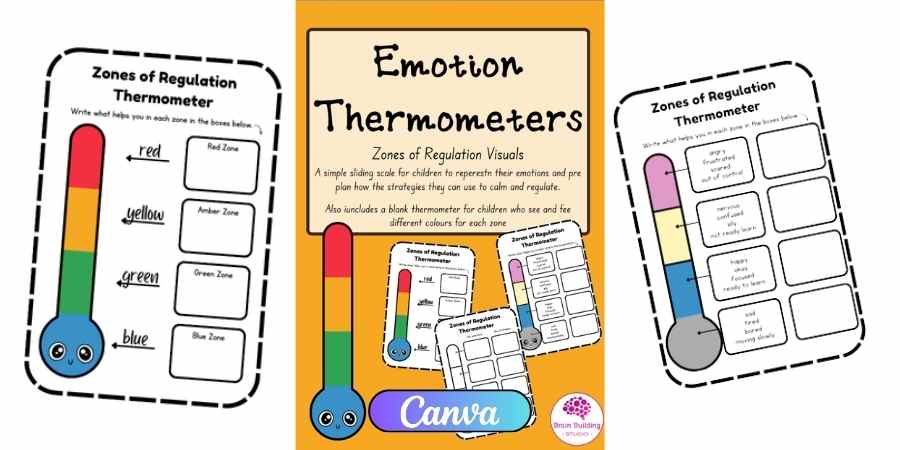
Emotion Thermometers - Zones of Regulation Visuals
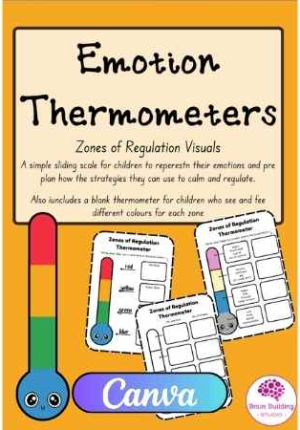
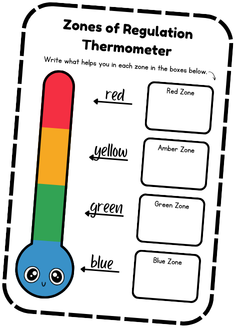 Emotion Thermometers are a simple and visual way for children to recognise, communicate, and manage their emotions. Using a sliding scale and colour-coded Zones of Regulation, children can identify how they are feeling and begin to understand the strategies that help them feel calm, safe, and ready to learn.
These visuals support emotional literacy, self-awareness, and self-regulation by helping children connect feelings with physical sensations, behaviours and coping strategies. They provide a non-verbal way for children to express emotions, which can be especially helpful for children with communication difficulties, anxiety, autism, ADHD, or those who find it difficult to explain how they feel.
The resource can be used flexibly across the whole class, in small groups, or individually:
- Whole Class Uses
- Use during daily check-ins, circle time, transitions, or after playtimes to support emotional awareness and class discussions about feelings and regulation strategies.
- Individual Use
- Children can use their thermometer independently or with an adult to identify emotions, reflect on triggers, and choose calming or regulating strategies that work for them.
- Targeted Support
- The visual can support emotional coaching conversations, restorative approaches, behaviour support plans, and sensory regulation routines.
The resource also includes a blank emotion thermometer to allow children to personalise their own colours and emotional meanings. This recognises that not all children experience emotions in the same way and supports individual differences in sensory and emotional experiences.
By making emotions visible and manageable, Emotion Thermometers help children develop confidence, independence, and the lifelong skills needed for emotional regulation and wellbeing.
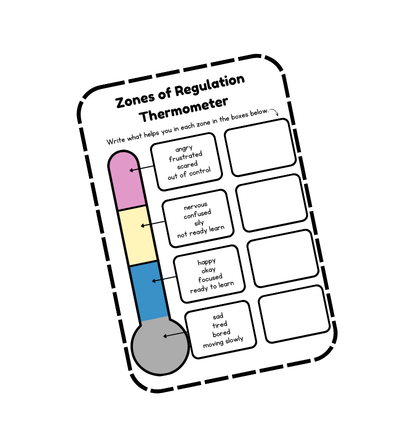 Change the zone colours to suit the child
The Canva template also allows children to personalise their own Emotion Thermometer by choosing the colours they associate with each zone or feeling. This supports individual preferences and recognises that children may experience and represent emotions differently. Allowing children to make these personal choices increases ownership, engagement, and emotional understanding while creating a more meaningful and child-centred regulation tool.